Real ROI of Digital Shelf Labels for Supermarkets and Big Retail Chains
-
February 16 , 2026
-
38
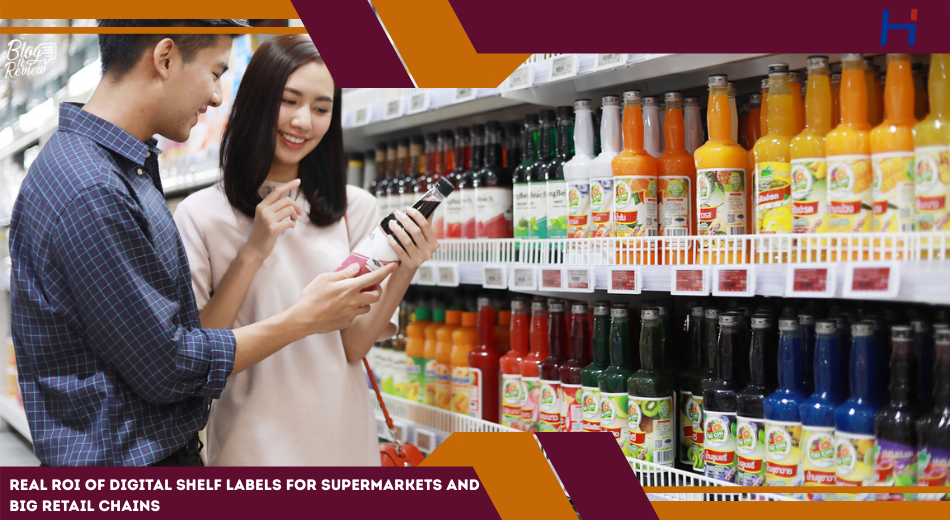
Supermarkets and large retail chains are under constant pressure to cut operational costs, eliminate pricing mistakes, and improve customer experience all while staying competitive in a market that moves faster every year. Traditional paper price tags simply can’t keep up.
That’s why Hanshow and other digital retail innovators are helping supermarkets and big chains make the shift to Electronic Shelf Labels (ESLs) and why the real economics of this technology are now too compelling to ignore.
In this article, we’ll break down the actual return on investment (ROI) for digital shelf labels and show how retailers are saving money, boosting margins, and improving operations in measurable ways.
Table of Contents
The Retail Challenge: Cost, Errors & Labor
Supermarkets and large retail chains operate on very thin margins. Every inefficiency from outdated pricing tags to manual price changes eats directly into profits.
Common pain points include:
-
hundreds of staff hours spent updating price tags
-
mismatches between shelf prices and checkout
-
late or missed promotions
-
printing and material waste
-
evolving compliance requirements
Before retailers modernize, these costs are often hidden but they’re substantial and recurring.
What Digital Shelf Labels Do for Big Stores
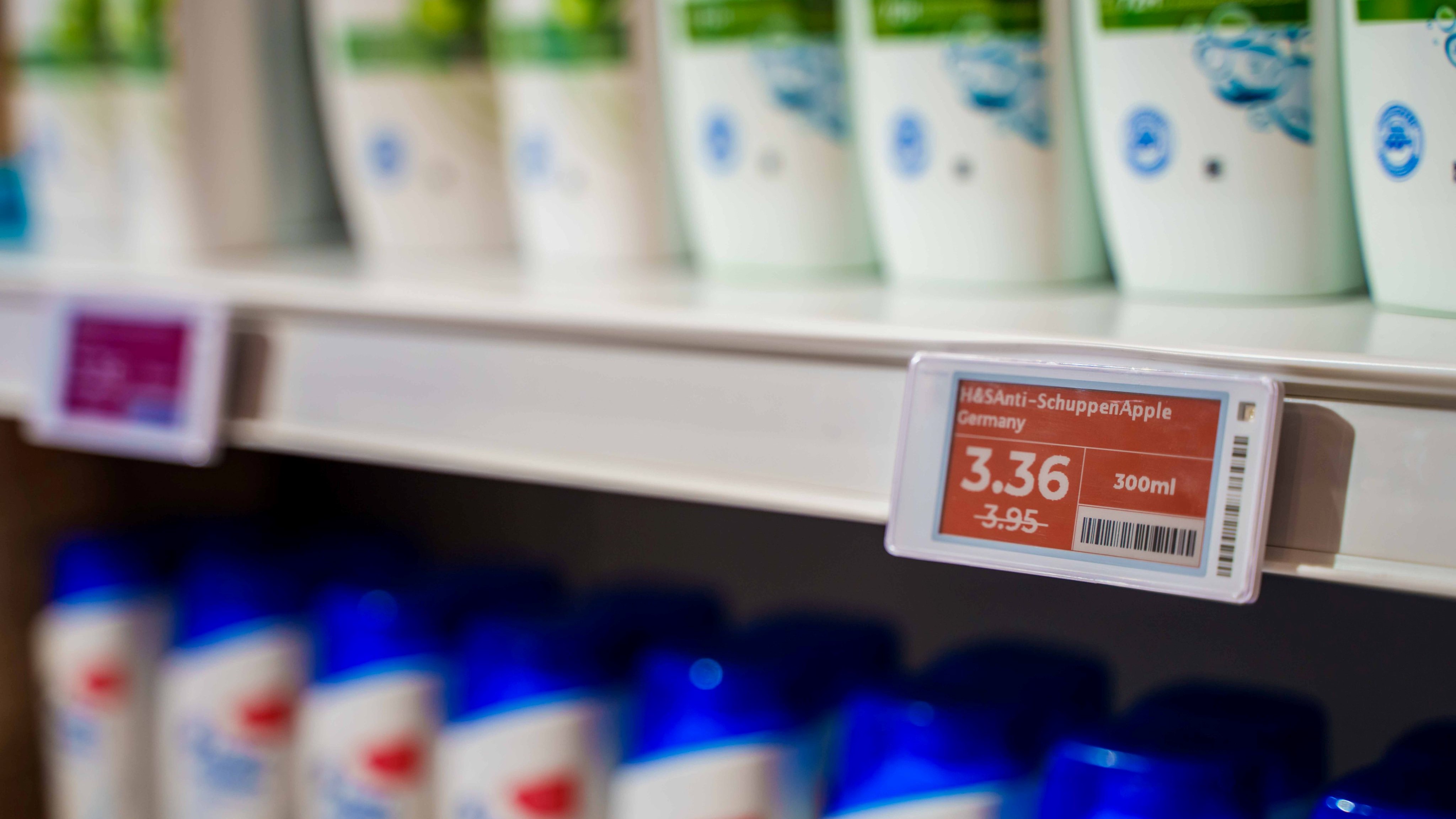
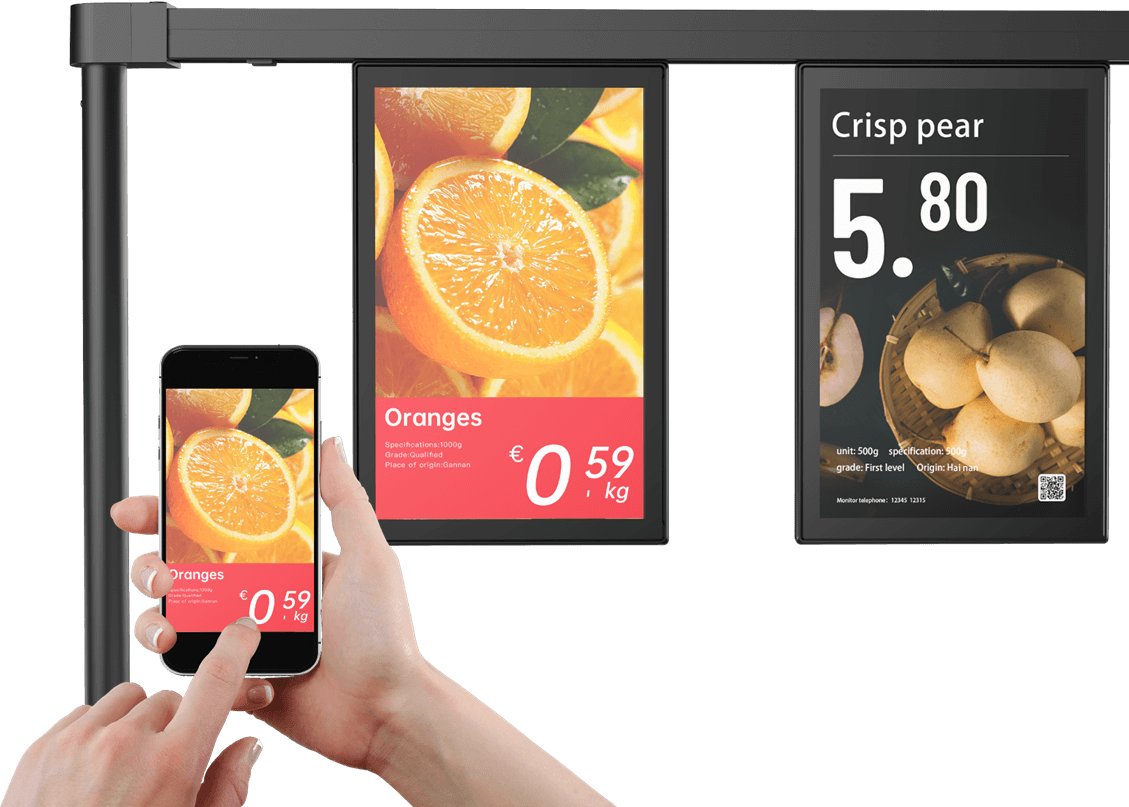
Digital shelf labels replace paper tags with wirelessly connected displays that:
-
update prices instantly across stores
-
sync automatically with central pricing systems
-
support dynamic pricing strategies
-
display unit prices, promotions, inventory info, QR codes, and more
Instead of walking every aisle with a printer and tape, a central dashboard controls all pricing.
This solves many traditional problems at once.
Labor Cost Savings: Where the Money Adds Up
Labor is one of the biggest areas of ROI for supermarkets:
Paper Pricing Labor
Updating paper tags often involves:
-
printing tags
-
organizing by aisle/bin
-
deploying multiple staff to replace them manually
-
validating accuracy afterward
This can take dozens of hours per week, depending on store size and change frequency.
ESL Pricing Labor
With digital shelf labels:
-
updates are pushed centrally
-
staff don’t need to change tags manually
-
validation becomes automated
-
front-line workers can focus on customer service
Retailers typically see 70%–90% reductions in pricing labor costs after switching to ESL.
Pricing Accuracy and Margin Protection
Pricing errors don’t just frustrate customers they cost money.
Common paper-tag mistakes include:
-
shelf price lower than checkout price
-
outdated promotional pricing
-
mislabeled products
-
missed markdowns
Every mismatch can lead to:
-
refunds
-
cashier overrides
-
lost loyalty
-
compliance issues
ESL Accuracy Benefits
Digital shelf labels are directly linked to the store’s pricing database, so:
✔ shelf and checkout prices always match
✔ promotions apply instantly
✔ audits and checks are automated
Consistent pricing protects profit margins and reduces loss from errors.
Dynamic Pricing & Revenue Benefits
Modern ESL systems support dynamic pricing, meaning retailers can:
-
run time-based promotions
-
react to inventory levels
-
mark down soon-to-expire food
-
match competitor prices quickly
This agility can increase revenue by improving:
-
product turnover
-
promotional relevance
-
markdown timing
In many chains, dynamic pricing alone delivers measurable gains that weren’t possible with paper pricing.
Waste Reduction and Sustainability Credits
Paper tags create a surprising amount of waste:
-
printed tags thrown away weekly
-
ink and paper use
-
time spent tracking printing runs
ESLs eliminate these ongoing material costs, and they support sustainability goals.
For many supermarket chains, ESG commitments now include reducing paper waste and digital shelves help them hit those targets while saving real money.
Inventory Efficiency and Smart Store Integration
Digital shelf labels aren’t just about pricing they’re part of a larger smart store ecosystem when integrated with:
-
inventory sensors
-
pick-by-light systems
-
automated replenishment alerts
-
IoT analytics platforms
This leads to better:
-
stock levels
-
merchandise planning
-
shrink reduction
Integration amplifies overall ROI beyond pricing alone.
Case Studies of Measured ROI
Here are real patterns major retailers report after deploying ESL systems:
Large Grocery Chain (Multi-Store)
-
80% reduction in pricing labor hours
-
95% fewer pricing mismatches
-
faster promotional rollouts
-
improved compliance audit scores
Big Box Electronics Retailer
-
Flexible pricing during flash sales
-
fewer customer price disputes
-
inventory data tied to real-time shelf updates
Across industries, the digital labels consistently deliver measurable savings and operational improvements.
How to Calculate ROI for Your Store
To evaluate ESL ROI, consider:
A. Labor Savings
-
baseline cost of manual tag updates
-
reduction after ESL deployment
B. Error Reduction
-
refunds and overrides avoided
-
compliance penalties avoided
C. Waste Reduction
-
paper & printing costs eliminated
D. Revenue Improvements
-
better promotions
-
dynamic pricing impact
ROI calculations often show payback within 12–24 months, depending on store size and pricing frequency.
Final Takeaways
For supermarkets and big retail chains, ESL systems aren’t just technology upgrades they’re strategic investments.
Digital shelf labels deliver:
✔ dramatic labor savings
✔ near-perfect pricing accuracy
✔ revenue gains through dynamic pricing
✔ waste reduction
✔ strong alignment with smart store initiatives
As retail continues to evolve in 2026 and beyond, retailers that adopt ESL technology are not only cutting costs but also building smarter, more responsive, customer-centric stores.
Leave a Reply
Your email address will not be published. Required fields are marked
Can I write you?
Sign up to get my weekly newsletter.