Aroma360 vs Traditional Diffusers – Which Scenting System Is Better in 2026?
-
April 10 , 2026
-
38
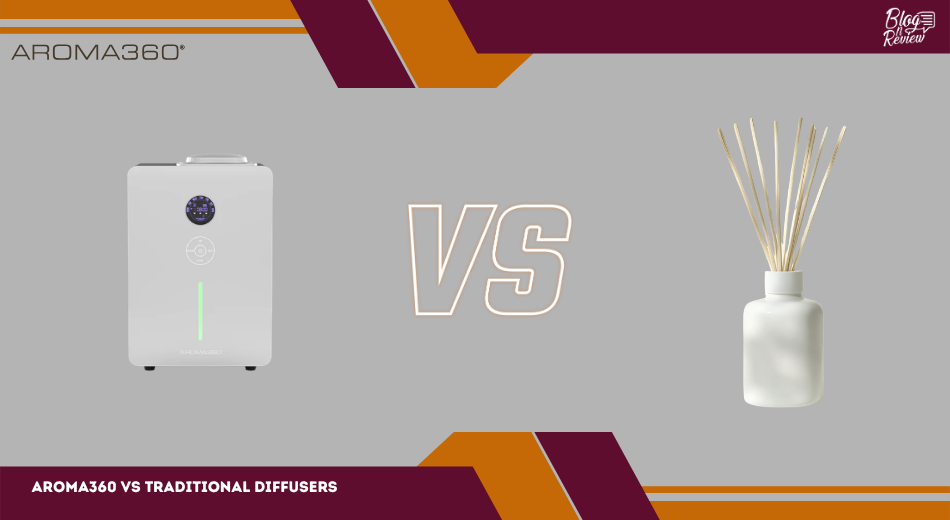
Choosing the right home fragrance system can be confusing. With premium brands like Aroma360 offering advanced scenting technology, many people wonder how it compares to regular diffusers.
In this comparison guide on Blog N Review, we’ll break down the key differences between Aroma360 systems and traditional diffusers so you can decide which one fits your needs.
TABLE OF CONTENTS
- Introduction
- Quick Comparison Table
- What Is Aroma360?
- What Are Traditional Diffusers?
- Feature Comparison
- Performance Comparison
- Pros and Cons
- Which One Should You Choose?
- Frequently Asked Questions
- Final Verdict
Introduction
Scent has become a key part of home and lifestyle design. While traditional diffusers have been around for years, newer systems like Aroma360 promise a more powerful and luxurious experience.
But is it really better, or just more expensive?
Quick Comparison Table
| Feature | Aroma360 | Traditional Diffusers |
|---|---|---|
| Technology | Cold-air diffusion | Water/heat-based |
| Coverage | Up to 6000+ sq. ft. | Small rooms |
| Scent Strength | Strong & consistent | Light to moderate |
| Maintenance | Low | Moderate |
| Cost | Premium | Budget-friendly |
What Is Aroma360?
Aroma360 uses cold-air diffusion technology to disperse fragrance oils into a fine mist without heat or water.
Key Highlights:
- No residue
- Even scent distribution
- Large area coverage

What Are Traditional Diffusers?
Traditional diffusers include:
- Ultrasonic diffusers (water-based)
- Heat diffusers
- Reed diffusers
They are widely used for small spaces and basic home fragrance.
Feature Comparison
Build Quality
- Aroma360: Premium materials, sleek designs
- Traditional Diffusers: Basic plastic or glass builds
Technology
- Aroma360: Advanced cold-air diffusion
- Traditional: Water + essential oils or heat
Ease of Use
- Aroma360: Minimal maintenance
- Traditional: Requires refilling water and cleaning
Features
- Aroma360: HVAC integration, smart controls
- Traditional: Basic on/off functionality
Performance Comparison
Scent Coverage
- Aroma360: Covers large areas (homes, offices)
- Traditional: Best for small rooms
Scent Quality
- Aroma360: Strong, long-lasting, hotel-like
- Traditional: Lighter, less consistent
Longevity
- Aroma360 oils: Last longer per use
- Traditional oils: Require frequent refills
Pros and Cons
Aroma360 Pros
- High-end scent quality
- Covers large spaces
- Low maintenance
- Modern design

Aroma360 Cons
- Expensive
- Subscription concerns
- Not ideal for small budgets
Traditional Diffuser Pros
- Affordable
- Easy to find
- Good for small rooms
Traditional Diffuser Cons
- Limited coverage
- Requires regular cleaning
- Weaker scent output
Which One Should You Choose?
Choose Aroma360 if:
- You want luxury, hotel-like scents
- You have a large home or space
- You prefer low maintenance

Choose Traditional Diffusers if:
- You’re on a budget
- You only need scent for small rooms
- You prefer simple setups
Frequently Asked Questions
Is Aroma360 better than traditional diffusers?
Yes, in terms of performance and coverage, but it’s more expensive.
Are traditional diffusers still worth it?
Yes, especially for small spaces and budget users.
Do both use essential oils?
Aroma360 uses specialized fragrance oils, while traditional diffusers use essential oils.
Which lasts longer?
Aroma360 systems generally last longer per refill.
Can Aroma360 be used in small rooms?
Yes, but it may be more powerful than needed.
Final Verdict
Both options serve different needs.
- Aroma360 is ideal for those who want a premium, long-lasting scent experience with minimal effort
- Traditional diffusers are better for casual use and smaller spaces
If you’re upgrading your home fragrance setup and want something more powerful and consistent, Aroma360 is a strong choice.
For more tech and lifestyle comparisons, visit Blog N Review.
Leave a Reply
Your email address will not be published. Required fields are marked
Can I write you?
Sign up to get my weekly newsletter.