Merino vs Synthetic Fabric: Which One Keeps You Comfortable for Longer Wear?
-
January 28 , 2026
-
38

Choosing between merino wool and synthetic fabrics is one of the biggest decisions when buying clothing for travel, workouts, or everyday use. This guide breaks down comfort, breathability, odor control, durability, and long-term wear to help you decide which fabric truly performs better over time.
TABLE OF CONTENTS
-
Introduction
-
Why Fabric Choice Matters
-
What Is Merino Fabric?
-
What Are Synthetic Fabrics?
-
Merino vs Synthetic Fabric: Core Differences
-
Comfort Over Long Wear
-
Moisture Management and Breathability
-
Odor Control Comparison
-
Temperature Regulation
-
Durability and Daily Use
-
Travel, Hiking, and Everyday Performance
-
Where Merino.tech Fits In
-
Which Fabric Is Right for You?
-
Common Buying Mistakes
-
Frequently Asked Questions
-
Final Thoughts
INTRODUCTION
Comfort is not just about how clothing feels when you first put it on. Real comfort is how it performs after hours of movement, sweat, temperature changes, and repeated wear.
This is where the debate between merino vs synthetic fabric becomes important.
Both materials are popular for activewear, travel clothing, and everyday basics. Synthetic fabrics are known for durability and quick drying, while merino wool is praised for comfort and versatility.
But which one keeps you comfortable longer?
This guide takes a practical, real-world look at both fabrics to help you make the right choice.
WHY FABRIC CHOICE MATTERS
The fabric you wear affects:
-
Body temperature
-
Sweat management
-
Skin comfort
-
Odor buildup
-
Overall wearability
Poor fabric choices lead to discomfort, irritation, and frequent clothing changes. Good fabrics allow you to move, travel, and work without constantly thinking about what you’re wearing.
WHAT IS MERINO FABRIC?
Merino fabric is made from the wool of Merino sheep. Unlike traditional wool, merino fibers are extremely fine and flexible.
Key Characteristics of Merino
-
Soft against the skin
-
Naturally breathable
-
Temperature regulating
-
Moisture wicking
-
Odor resistant
Merino is commonly used for:
-
Base layers
-
Travel clothing
-
Hiking and outdoor gear
-
Everyday essentials
WHAT ARE SYNTHETIC FABRICS?
Synthetic fabrics are man-made materials such as:
-
Polyester
-
Nylon
-
Spandex blends
They are widely used in sportswear and casual clothing.
Key Characteristics of Synthetics
-
Lightweight
-
Quick drying
-
Stretchy
-
Often lower cost
Synthetics are popular for gym wear and short-duration activities.
MERINO VS SYNTHETIC FABRIC: CORE DIFFERENCES
| Feature | Merino Fabric | Synthetic Fabric |
|---|---|---|
| Feel on Skin | Soft and natural | Smooth but can feel plasticky |
| Breathability | Excellent | Moderate |
| Odor Resistance | Natural | Low |
| Temperature Control | Adaptive | Limited |
| Moisture Handling | Absorbs and releases | Repels but traps odors |
| Long Wear Comfort | High | Medium |
These differences become more noticeable over time.
COMFORT OVER LONG WEAR
Merino Fabric Comfort
Merino wool excels during extended wear because it:
-
Adapts to body temperature
-
Stays soft when damp
-
Reduces skin irritation
-
Doesn’t cling or feel sticky
This makes it ideal for long flights, multi-day travel, and full-day wear.
Synthetic Fabric Comfort
Synthetics feel fine initially but can become uncomfortable after hours due to:
-
Heat buildup
-
Sweat trapping
-
Fabric sticking to skin
For short workouts, this may not matter, but over long periods, comfort declines.
MOISTURE MANAGEMENT AND BREATHABILITY
Merino Performance
Merino fibers absorb moisture vapor and release it slowly, which:
-
Keeps skin dry
-
Prevents chill when sweating stops
-
Maintains comfort across temperature shifts
Synthetic Performance
Synthetics move moisture quickly but do not absorb it. This leads to:
-
Faster drying
-
More surface sweat
-
Damp feeling during long wear
For endurance and all-day use, merino feels more balanced.
ODOR CONTROL COMPARISON
Odor control is one of the biggest differences in merino vs synthetic fabric.
Merino Wool
-
Naturally resists bacteria
-
Can be worn multiple days
-
Minimal odor buildup
This is especially valuable for travel and hiking.
Synthetic Fabrics
-
Trap odor-causing bacteria
-
Develop smells quickly
-
Require frequent washing
This reduces convenience and comfort over time.
TEMPERATURE REGULATION
Merino Fabric
Merino adapts to your environment by:
-
Insulating in cool conditions
-
Releasing heat in warmer conditions
This makes it suitable for year-round use.
Synthetic Fabric
Synthetics lack natural insulation and rely on:
-
Venting
-
Thin construction
They perform best in controlled conditions but struggle in changing climates.
DURABILITY AND DAILY USE
Merino Durability
High-quality merino garments are:
-
Flexible
-
Resilient
-
Long-lasting with proper care
Blended merino fabrics improve strength without sacrificing comfort.
Synthetic Durability
Synthetics are:
-
Very durable
-
Resistant to abrasion
-
Easy to care for
However, durability does not equal comfort over time.
TRAVEL, HIKING, AND EVERYDAY PERFORMANCE
Travel
Merino wins for travel because it:
-
Reduces packing needs
-
Handles long wear
-
Minimizes washing

Hiking and Outdoor Use
Merino performs better during:
-
Multi-day trips
-
Variable weather
-
Extended activity
Everyday Wear
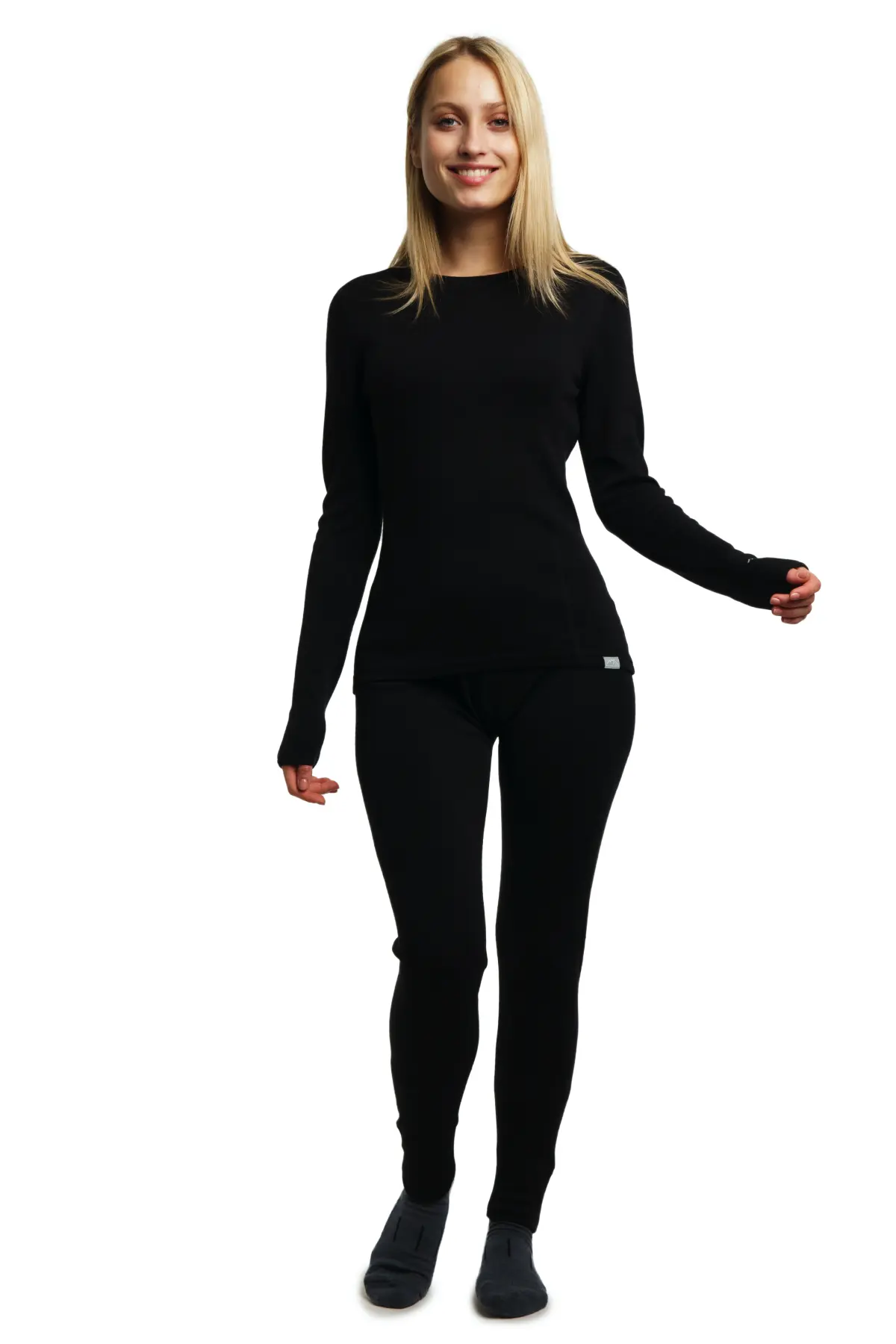
Merino offers:
-
Cleaner appearance
-
Better odor control
-
All-day comfort
WHERE MERINO.TECH FITS IN
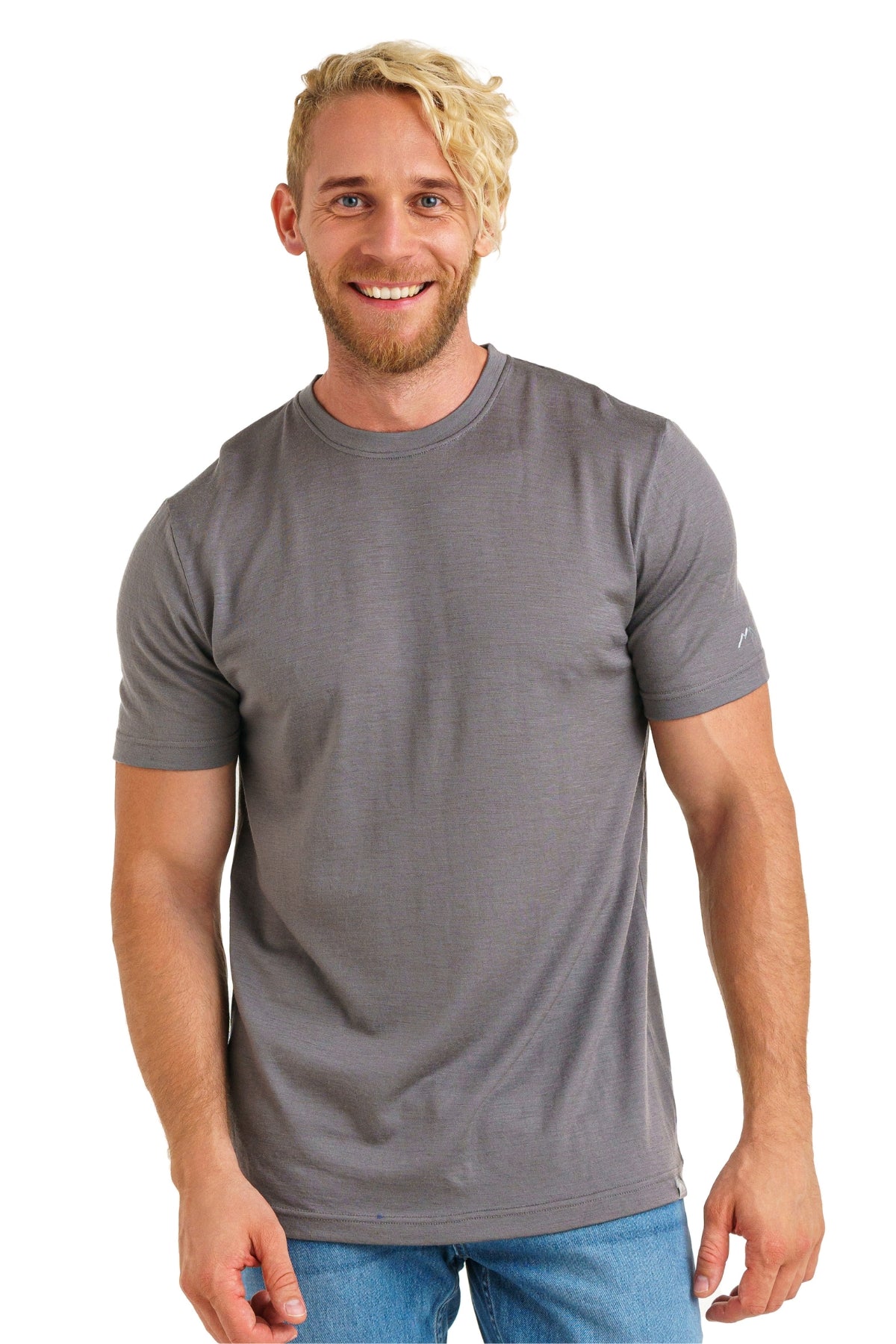
Merino.tech focuses on merino wool clothing designed for real-world use, not just outdoor extremes.
Their approach emphasizes:
-
Fine merino fibers
-
Comfortable fits
-
Versatility across activities
-
Durable construction
Explore merino wool clothing from Merino.tech

WHICH FABRIC IS RIGHT FOR YOU?
Choose merino fabric if you:
-
Wear clothes for long hours
-
Travel often
-
Want odor resistance
-
Prefer comfort over time
Choose synthetic fabric if you:
-
Need quick drying
-
Do short workouts
-
Want low-maintenance care
-
Prioritize cost
For long-term comfort, merino usually performs better.
COMMON BUYING MISTAKES
-
Assuming all wool is itchy
-
Buying cheap merino blends
-
Using synthetics for long travel days
-
Ignoring fabric weight and fit
Understanding fabric purpose prevents discomfort.
FREQUENTLY ASKED QUESTIONS
Is merino better than synthetic for everyday wear?
Yes, especially for long-hour comfort and odor control.
Do synthetics last longer?
They are durable, but comfort decreases over time.
Is merino good for hot weather?
Lightweight merino works well in warm conditions.
Can merino replace synthetic workout gear?
For moderate activity and long wear, yes.
Is merino harder to care for?
Not significantly when washed properly.
FINAL THOUGHTS
When comparing merino vs synthetic fabric, the biggest difference is how long each stays comfortable.
Synthetics work well for short, intense sessions. Merino excels when wear time increases, conditions change, and comfort matters most.
For travel, hiking, and everyday use, merino fabric provides better temperature control, odor resistance, and long-term wearability.
Merino.tech offers merino clothing designed to meet these needs, making it easier to stay comfortable wherever your day takes you.
Leave a Reply
Your email address will not be published. Required fields are marked
Can I write you?
Sign up to get my weekly newsletter.